
Top 10 Signs of Autism in Boys

February 2, 2026
A Parent-Friendly, Clinically Informed Guide
Autism Spectrum Disorder (ASD) often presents differently in boys than in girls, and early signs may appear in toddlerhood or early childhood. Recognizing these signs early can lead to timely evaluation, appropriate support, and improved long-term outcomes.
Below are the top 10 most common signs of autism in boys.
1. Delayed Speech or Limited Language Development
Many boys with autism may:
Speak later than peers
Use fewer words or short phrases
Lose previously acquired language skills
Some boys may not speak at all, while others may speak fluently but struggle with meaningful conversation.
Why it matters: Language delays are one of the earliest and most common indicators of autism.
2. Limited Eye Contact and Social Engagement
A common early sign of autism in boys is reduced eye contact, including:
Avoiding looking at people during conversation
Appearing uninterested in faces
Not responding consistently to their name
This is not rudeness—it reflects differences in social processing.
3. Difficulty With Social Interaction and Play
Boys with autism often:
Prefer playing alone
Struggle with turn-taking or cooperative play
Have difficulty understanding social rules
They may want friends but lack the skills to initiate or maintain peer relationships.
4. Repetitive Behaviors or Movements
Repetitive behaviors (also called stimming) may include:
Hand flapping
Rocking
Spinning objects
Lining up toys
These behaviors often increase during excitement, stress, or sensory overload.
5. Intense or Narrow Interests
Boys with autism frequently develop strong interests in specific topics, such as:
Trains, maps, numbers, or electronics
Dinosaurs or specific video game characters
They may talk about these topics excessively and struggle to shift focus.
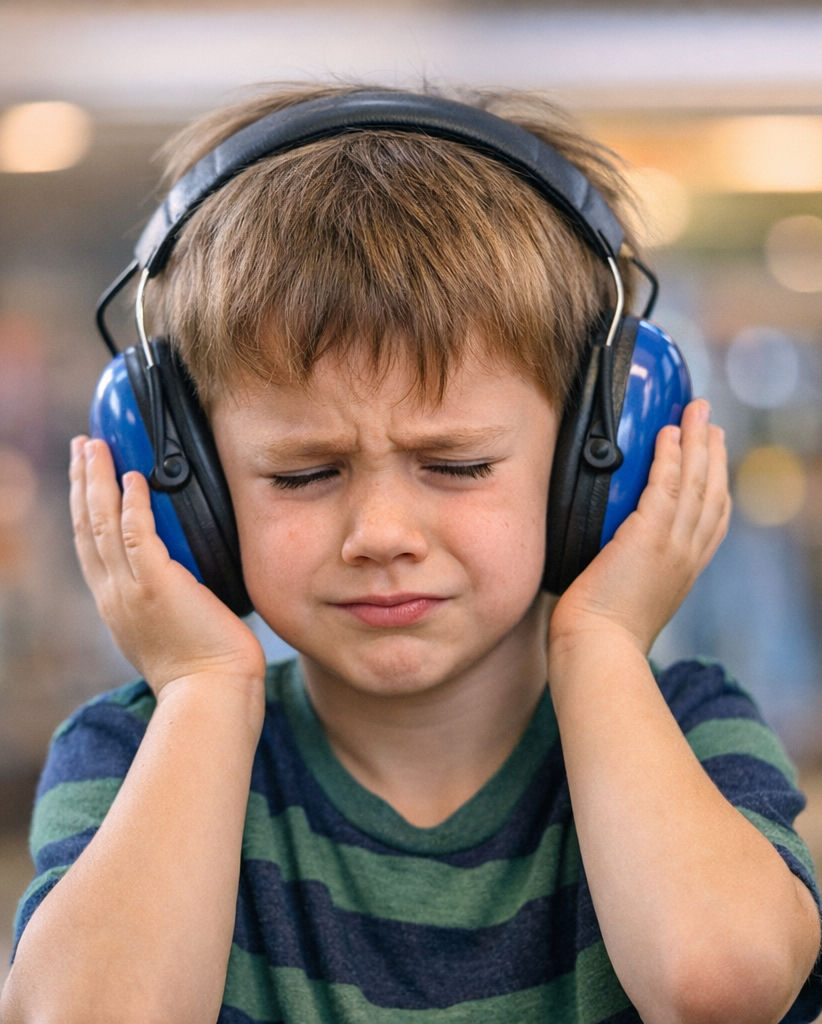
6. Sensory Sensitivities
Sensory differences are very common and may involve:
Sensitivity to loud noises
Discomfort with clothing textures
Strong reactions to smells or bright lights
Some boys may also seek sensory input, such as spinning or crashing into objects.
7. Difficulty Understanding Emotions
Many boys with autism struggle to:
Read facial expressions
Understand tone of voice
Recognize others’ emotions
They may appear emotionally distant but still experience deep feelings internally.
8. Resistance to Change or Rigid Routines
Boys with autism often rely on predictability and routine. Signs include:
Distress when schedules change
Insistence on doing things “the same way”
Difficulty transitioning between activities
Unexpected changes can cause significant anxiety or meltdowns.
9. Literal Thinking and Communication Style
Autistic boys may:
Take language very literally
Struggle with sarcasm, jokes, or idioms
Miss implied meanings
This can lead to misunderstandings at school or with peers.
10. Emotional Regulation Challenges
Emotional responses may seem intense or unpredictable, including:
Meltdowns that appear disproportionate
Difficulty calming down once upset
Shutdowns (withdrawing or becoming very quiet)
These reactions are often linked to sensory overload or communication difficulties.
When Should Parents Seek an Autism Evaluation?
Parents should consider an evaluation if:
Multiple signs are present
Symptoms interfere with daily functioning
Teachers or caregivers raise concerns
Early diagnosis allows access to therapies and supports that can significantly improve outcomes.

Frequently Asked Questions About Boys with Autism
What are early signs of autism in boys?
Early signs include delayed speech, limited eye contact, repetitive behaviors, sensory sensitivities, and difficulty with social interaction.
At what age do autism symptoms appear in boys?
Symptoms often appear between 12–24 months, though some signs may become clearer when social demands increase in preschool or school years.
Can boys with autism be highly intelligent?
Yes. Autism affects social communication and behavior—not intelligence. Many boys with autism have average or above-average cognitive abilities.
Is autism more common in boys than girls?
Yes. Autism is diagnosed more frequently in boys, though girls are often underdiagnosed due to different symptom presentation. If you are interested in reading about the top 10 signs of autism in girls, click on this link.
Final Thoughts
Autism in boys can look different from child to child, but early recognition is key. If you have concerns, trust your instincts and seek a professional evaluation.
Support, understanding, and early intervention can make a profound difference.
Intrested in our articles on ADHD and Autism? Click below:
Treatment For Long-Term Success
At Pine Ridge Mental Healthcare, we’ve found success using a variety of approaches to Autism. Discussing these approaches with a trusted provider is the first and most important step. Getting your symptoms under control is a key to improving how you feel.
Our mental health team works to reduce your reliance on medications by educating you about the different tools available and how life situations can affect your mood. In addition, we help keep you on track with regular check-ins to monitor how you are doing.
For help managing your health, schedule an appointment online or over the phone at Pine Ridge Mental Healthcare in Owasso, Oklahoma. If you are interested in other services we provide, check out our services page.
This content was written and reviewed by Pine Ridge Mental Healthcare, an outpatient psychiatry clinic in Oklahoma. Treatment decisions are made by licensed psychiatric providers based on individual evaluation.
At Pine Ridge Mental Healthcare, we believe everyone deserves compassionate, personalized care. If you or someone you love is struggling, reaching out for help is a brave and important step.
If you want to explore more about how depression impacts your relationships and find resources to support you, visit Pine Ridge Mental Healthcare.
About The Author

Nicole Mason, DMSc, PA-C, Psychiatry CAQ
Dr. Nicole Mason is a distinguished medical professional and accomplished psychiatry physician associate/assistant (PA), known for her exceptional contributions to the field of medicine and psychiatry. In 2003, she graduated from the University of Illinois at Urbana-Champaign with a Chemistry degree with highest distinction in the curriculum. She then graduated from Midwestern University’s PA program where she completed a master’s project on the concept of international PAs, leading to that year’s Master’s Project Award. This original research was later published in PAEA. Upon completion of he PA degree, she transitioned into clinical care and education.
Fueled by her desire to make a profound impact on people's lives, she embarked on a pursuit of medicine and obtained her Doctor of Medical Sciences (DMSc) degree from the University of Lynchburg. This achievement symbolizes her dedication, hard work, and passion for advancing medical knowledge and providing compassionate care to patients.
Over her tenure as a PA, she has developed a deep passion for the underserved community, with prior medical missions’ trips both abroad and in her home community. With a heart set on helping those with mental health challenges, she has focused her career on psychiatry. Her compassionate approach to patient care, coupled with her extensive knowledge and experience in teaching and in science, has earned her the trust of both her peers and patients.


Comments